The Taste of Stillness: Kaiseki Rhythms and Heritage Orchards
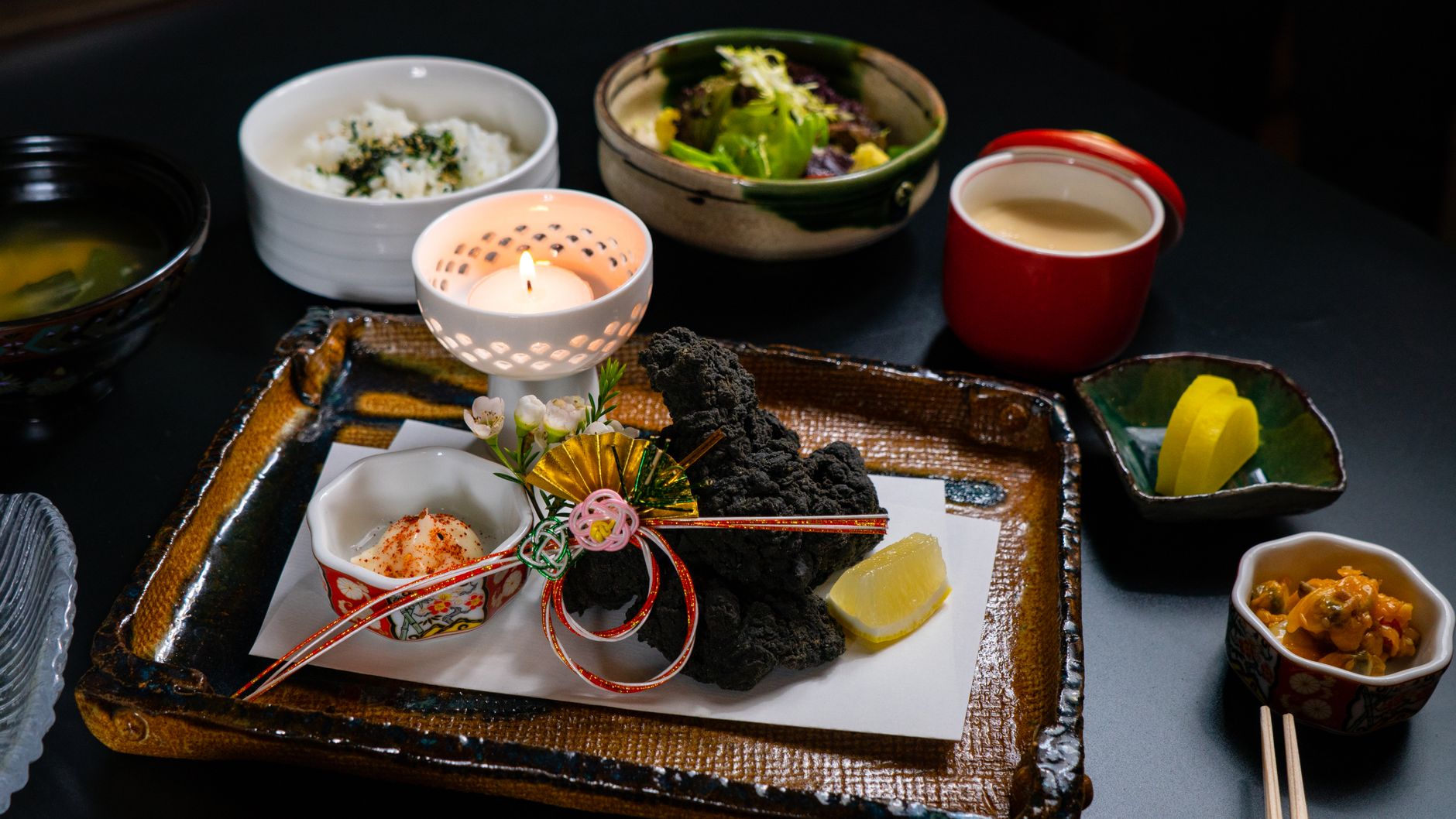
In the foothills of Arashiyama, gastronomy is not treated as theatrical performance, but as a temporary, mindful alignment between human palate and passing harvest weather.
1. The 72 Micro-Seasons
While the modern world divides the calendar year into four sweeping quarters, traditional Japanese agricultural philosophy recognizes seventy-two micro-seasons (kō). Each lasts five days, capturing subtle shifts: 'First Frost Settles', 'Chicory Flowers', 'Rotting Grass Becomes Fireflies'.
At Ryokan Kurama, dinner is prepared strictly around the exact five-day window of late September. The dashi soup stock carries mountain matsutake mushrooms harvested that very morning from humid pine groves higher up the ridge.
2. Clay & Geometry
Kaiseki dishes are served on unglazed Bizen stoneware, hand-carved cedar platters, and antique Edo-period lacquer bowls. The dishware is intentionally asymmetrical, drawing the eye toward the empty space surrounding each bite.
"When food is placed with intentional restraint, your palate awakens to subtleties otherwise drowned out by sensory overload."
3. Heritage Yuzu Groves
The journey concludes with a walk through the hillside yuzu orchards of Mizuo. Gnarled trees planted three generations ago still yield deeply fragrant citrus. We drink hot spring water infused with thinly pared peel while watching dusk settle over bamboo groves.
Discover Our Kyoto Dossier
Access vetted culinary contacts and discrete suburban ryokans.